


/get in touch
Send us some basic info and we'll get in touch shortly.


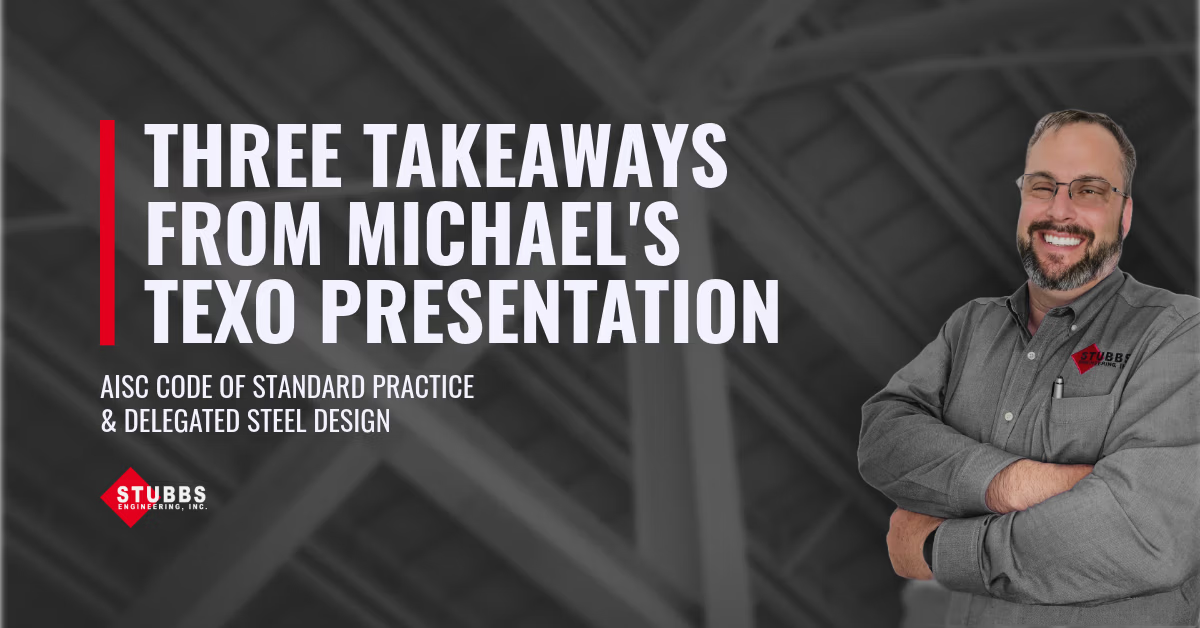
Michael Stubbs, PE, SE, DBIA, President of Stubbs Engineering, presented “Building Blocks (Virtual): AISC Code of Standard Practice” for TEXO, The Construction Association. His presentation focused on connection-design responsibilities and the information architects, engineers, fabricators, detailers, and erectors need to coordinate their work.
Here are three takeaways from the presentation.
1. Clarify connection-design responsibility early
Before bidding and detailing begin, establish who will design the connections. Clear responsibilities help the project team understand the scope and identify missing information early.
2. Resolve key details before fabrication
Michael emphasized providing actual reactions by load case, identifying connection restrictions, and coordinating stairs and exposed structural steel early. Addressing these details before detailing and fabrication gives the project team clearer information to work from.
3. Provide the information needed to bid, design, and build
Delegated design still requires construction documents that communicate connection concepts, loads, restrictions, reinforcement requirements, and submittal expectations. That information supports the team through pricing, connection design, detailing, fabrication, and installation.
The common thread is coordination before shop drawings arrive. Clear responsibilities and better information up front can help reduce rework and fabrication delays.
For more on connection-design responsibilities and project coordination, read Delegated Design Done Right.
Interested in a presentation for your team or association? Email our team to discuss a potential speaking engagement.

other articles
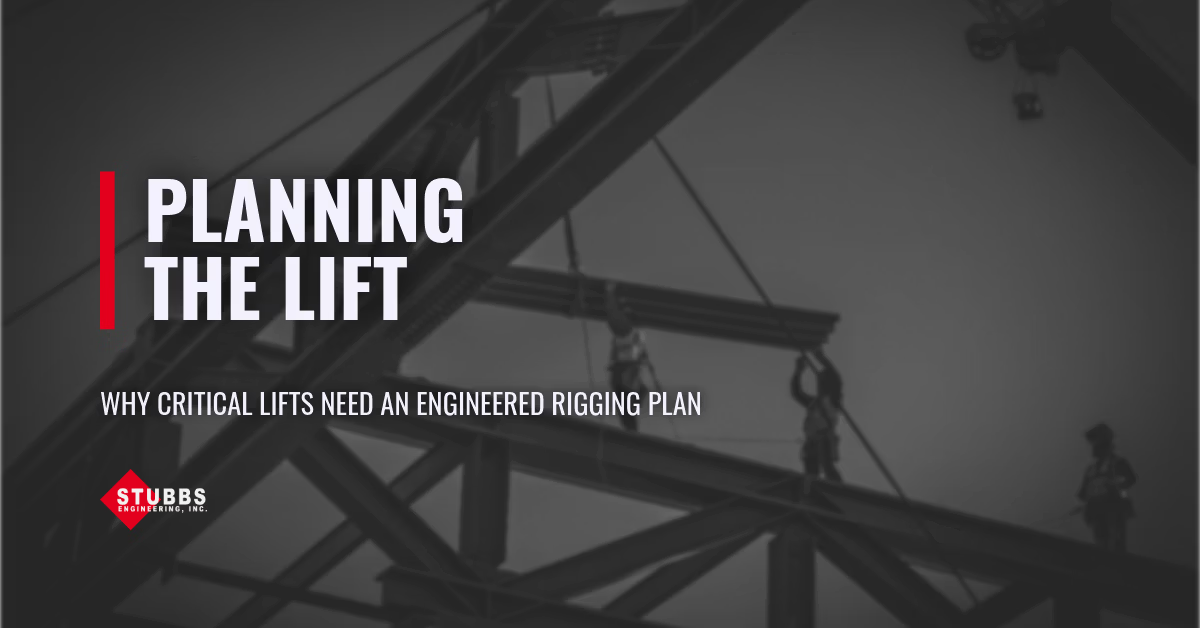
What goes into planning a critical lift? Explore how load analysis, crane capacity, rigging, and temporary stability inform an engineered plan, with a project example from Bel Air Sports Complex.

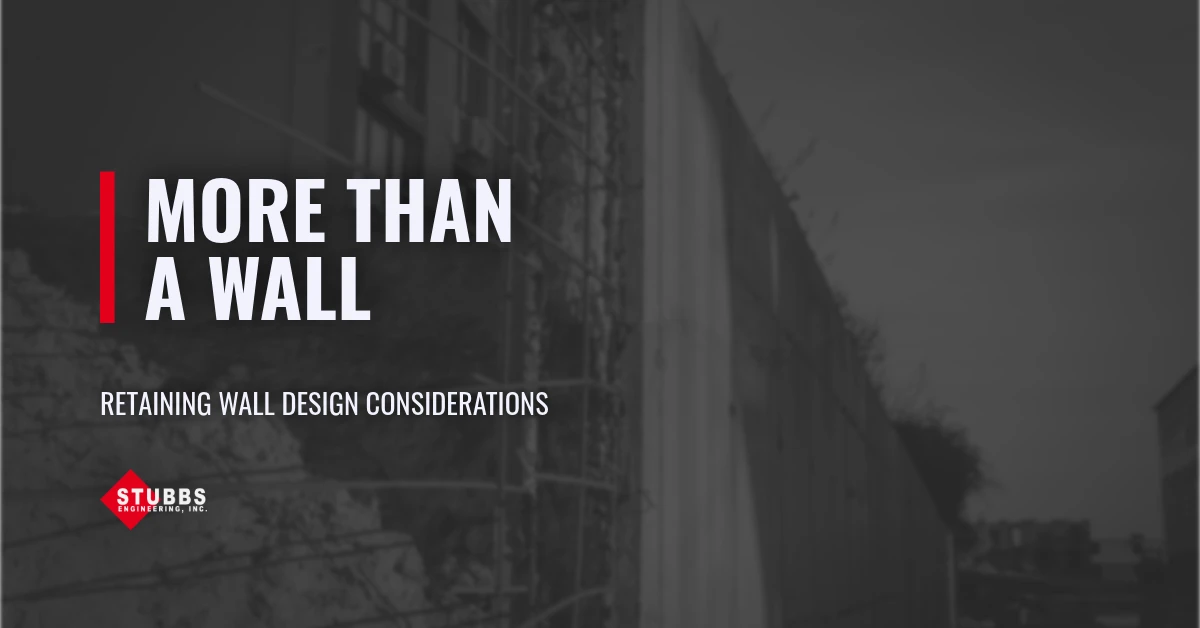
Retaining wall design depends on more than height. Explore how soils, drainage, nearby loads, site constraints, and early coordination shape the structural solution.

Architecturally exposed structural steel requires more than sound structural design. Clear expectations for finishes, connections, tolerances, and erection sequencing help align the architect, engineer, fabricator, detailer, and erector before steel reaches the field.