


/get in touch
Send us some basic info and we'll get in touch shortly.



Architects often ask whether a geotechnical investigation is required for a project.
In most cases, the answer is yes.
Per IBC Section 1803, a geotechnical investigation is required unless the Building Official waives it based on acceptable data from adjacent sites. However, this requirement cannot be waived if:
- The structure is in Seismic Design Category D, E, or F, or
- The building will use shallow foundations over 12 inches or more of compacted fill
These conditions are highly location-dependent and can vary even between nearby sites.
The best approach is to consult your structural engineer early. They can identify the Seismic Design Category, recommend foundation options, and help determine the scope of a geotechnical investigation. In many cases, a geotechnical report can actually reduce project costs by eliminating conservative assumptions and allowing the design team to optimize foundations and site improvements.
Architects Checklist: When to Consider a Geotechnical Investigation
☐ Confirm the project’s Seismic Design Category
☐ Identify proposed foundation types
☐ Determine if the site includes compacted fill (12” or greater)
☐ Review availability of adjacent site soil data
☐ Coordinate early with the structural engineer
☐ Engage a geotechnical engineer with clear report requirements
We are available to assist early in the design process to help determine whether a geotechnical investigation is required and how it can support a more efficient, cost-effective design. Reach out to our team to start the conversation early and set your project up for success.

other articles
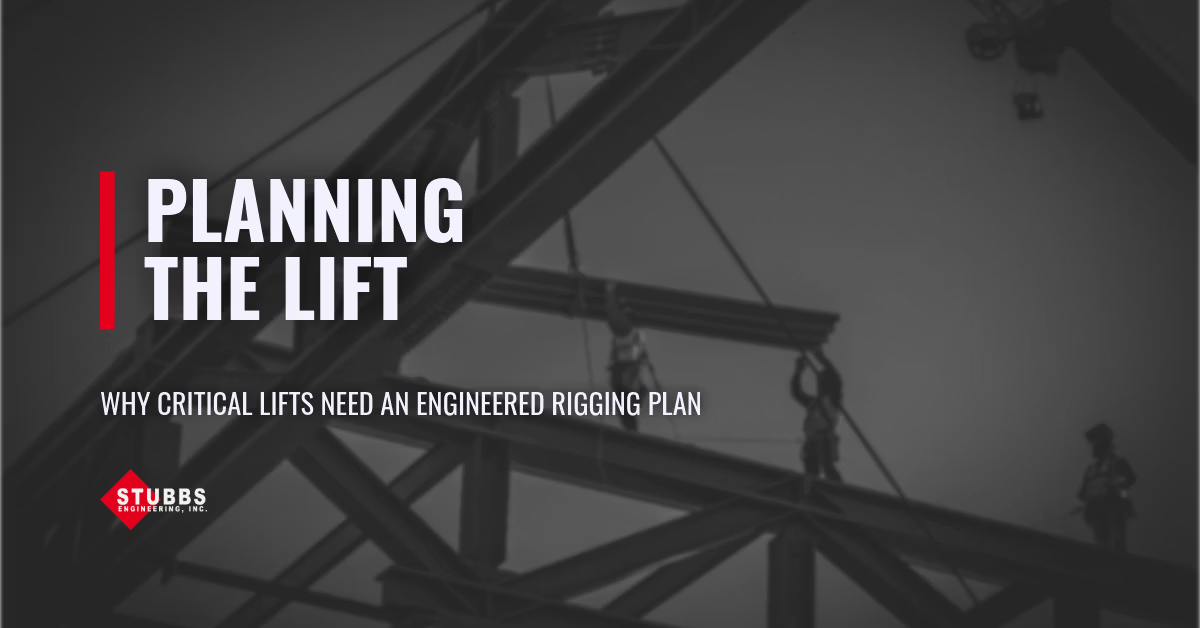
What goes into planning a critical lift? Explore how load analysis, crane capacity, rigging, and temporary stability inform an engineered plan, with a project example from Bel Air Sports Complex.


Michael Stubbs shared three priorities for delegated steel design at TEXO: define responsibilities early, resolve key details before fabrication, and provide clear information for the project team.

Retaining wall design depends on more than height. Explore how soils, drainage, nearby loads, site constraints, and early coordination shape the structural solution.